



Matthias Grawehr, "Professor of Archaeology"
Since September 2025, Prof. Matthias Grawehr has held the new chair in Archaeology of Classical Antiquity at the Institute for Classical Studies at the University of Graz and serves as deputy director of the Department of Classics.
Matthias Grawehr studied Classical Archaeology, Art History, and Ancient Near Eastern Studies in Basel. After spending time in Damascus, Rome, and Zurich, he completed his habilitation in Basel in 2019 with the thesis “Accidental Imperfections and Intentional Relief Style in the Architecture of the Hellenistic and Imperial Periods.” After holding positions as a deputy professor in Mainz and Basel, he has been working at the University of Graz’s Department of Classics since September 2025.
His primary research interests include Hellenistic and Roman architecture, as well as the archaeology of the Levant during the Hellenistic and Roman periods, with his expertise further extending to Nabataean culture and Roman minor arts. His current research focuses, among other things, on the significance of archaeological finds in shaping the social and cultural processes of the respective eras, with an emphasis on exploring the relationship between people and objects and how they interact with them. Read the interview “On Temples and Favorite Things” between Ulrike Freitag and Matthias Grawehr
In an interview with Gerhild Leljak, Matthias Grawehr reflects on the image of an archaeologist and the varying demands of academic networking during his most recent professional positions. Read the interview with Gerhild Leljak
The staff and students of the Department of Classics extend a warm welcome to Matthias Grawehr and look forward to the upcoming period of collaborative research, which will bring new opportunities and possibilities within the Department of Archaeology and the academic community.
A profile of Wolfgang Spickermann: “Award for services to the field of digital history”
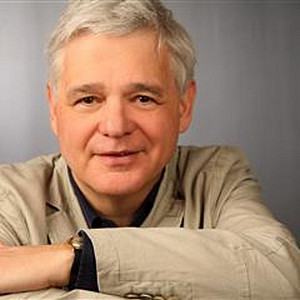
The University of Trier states: “ […] Wolfgang Spickermann has made revolutionary contributions to the study of women’s worship of the gods in Gaul, Raetia and Germania, and has led research on the religious history of Roman Germania to a new level. The same applies to the development and evaluation of digital tools for historical research. […] His research focuses on Roman religious and social history, Latin epigraphy, the state and the church in late antiquity, the cultural and intellectual history of the 2nd century AD with a focus on the satirist Lucian of Samosata, and the field of digital history. His activities in the field of digital history play a particularly significant role. Wolfgang Spickermann is literally one of the pioneers of this discipline and was one of the founders of the Working Group on History and IT (AGE), on whose executive committee he has served for many years. […]
It is thanks to his tireless dedication that several major national and international, externally funded projects have advanced research and opened up future prospects for young and emerging researchers—and continue to do so. […]”